
I’ve often found myself reaching for a diet soda when I’m craving something sweet but don’t want the calories. It seems like a harmless choice, right? With all the buzz around healthy eating, it’s easy to overlook what these fizzy drinks really bring to the table—or don’t.
In this article, I’ll dive into the surprising truths about diet sodas and their role as snacks. Are they truly a guilt-free option or just a clever marketing ploy? Join me as I explore the ins and outs of these bubbly beverages and uncover whether they can satisfy those snack cravings without derailing our health goals.
Overview of Diet Sodas
Diet sodas often attract those looking for a low-calorie drink option. These beverages typically replace sugar with artificial sweeteners, aiming to provide the same sweet taste without the calories.
Ingredients and Nutrition Facts
Diet sodas usually contain ingredients like carbonated water, artificial sweeteners such as aspartame or sucralose, citric acid, and preservatives. Each can varies, but a typical 12-ounce serving contains zero calories, making them enticing for those monitoring their weight. However, individual reactions to artificial sweeteners can differ, and some research suggests potential links to metabolic changes. I always recommend checking the nutrition labels to understand what’s in these drinks and how they fit into your overall diet.
Common Varieties of Diet Sodas
Popular varieties of diet sodas include:
- Diet Cola: A classic choice, it mimics the flavor of regular cola without sugar.
- Diet Lemon-Lime Sodas: Brands like Sprite Zero and Sierra Mist Zero offer a citrusy alternative.
- Diet Root Beer: A favorite for those who enjoy a sweet, unique flavor.
- Diet Orange and Grape Sodas: These provide a fruity burst without calories.
I’ve experimented with these sodas in recipes for healthier treats, but it’s crucial to consider the overall diet when including these beverages. Balancing with nutrient-dense snacks remains essential for achieving optimal health.
The Appeal of Diet Sodas as Snacks
I find diet sodas appealing for various reasons, particularly when I want a low-calorie treat without sacrificing flavor. These beverages offer a sweet taste that satisfies cravings, making them seem like an effortless snack companion, especially when I’m on the go.
Low-Calorie Option
Diet sodas stand out as a convenient low-calorie option. With a typical 12-ounce serving containing zero calories, they present an attractive alternative for calorie-conscious individuals like me. Instead of indulging in high-calorie sugary drinks, these sodas help maintain a balanced diet while still adding a refreshing twist to snack time. However, it’s crucial to consider how these drinks fit into my larger nutritional goals, particularly when balancing them with wholesome, nutrient-rich snacks.
Flavor Variety
The flavor variety of diet sodas adds to their appeal. From Diet Cola to Diet Lemon-Lime and even Diet Root Beer, these beverages cater to different taste preferences, ensuring I can find something I enjoy regardless of my snack choice. I appreciate the possibility of mixing different diet sodas into recipes, creating unique flavors while keeping calories in check. This versatility encourages culinary creativity, and using them in my healthy snack recipes provides an exciting way to explore new taste combinations without guilt.
Health Implications of Diet Sodas
Diet sodas often appear as appealing low-calorie drinks, but they carry health implications worth considering. While they help curb sweet cravings, their effects on overall well-being can surprise many.


Impact on Weight Management
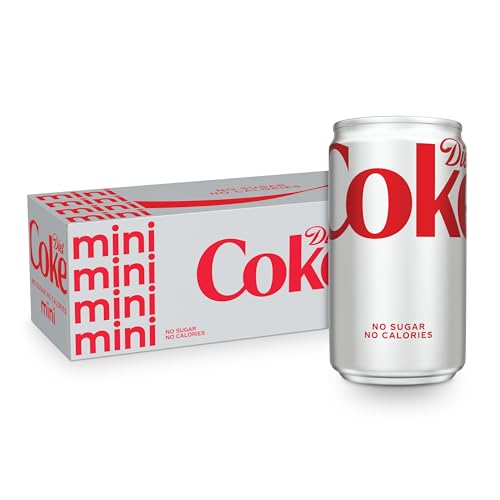
Diet sodas may seem like a smart choice for weight management, thanks to their zero-calorie content. However, studies indicate that relying on these beverages might lead to increased appetite or cravings for sweet foods. Researchers found that artificial sweeteners could interfere with appetite regulation, causing some individuals to consume more calories than they realize. A past study showed that those who regularly consume diet sodas gain more weight over time compared to non-consumers. It’s essential to combine refreshing options with wholesome, nutrient-rich snacks to keep cravings in check.
Effects on Metabolism
Diet sodas can influence metabolism in unexpected ways. Research suggests that artificial sweeteners may alter gut microbiota, potentially impacting metabolic health. Alterations in gut bacteria can influence how the body processes food and stores fat, raising eyebrows among health enthusiasts. Also, some studies associate diet soda consumption with insulin resistance, a condition that can signal metabolic issues. I always recommend being mindful of how diet sodas fit into a well-rounded diet that emphasizes fruits, vegetables, and other nutrient-dense foods, promoting a healthy metabolism and overall vitality.
Psychological Aspects of Consuming Diet Sodas
Diet sodas can trigger mixed feelings and complex behaviors regarding snacking. They offer a low-calorie option for those craving something sweet, yet the psychological aspects behind their consumption deserve attention.
Cravings and Eating Habits
Diet sodas often cater to cravings, providing a sweet taste without calories. Many reach for them when looking to satisfy that sweet tooth. I notice that individuals might choose diet sodas when opting for snacks. However, this can lead to unexpected cravings. Research indicates that consuming artificial sweeteners might increase appetite for real sugars, causing some to eat more later. I always suggest being mindful of these triggers and balancing diet sodas with wholesome snacks packed with nutrients.
Association with Guilt-Free Snacking
Diet sodas create the illusion of guilt-free snacking, allowing individuals to indulge without calorie concerns. Many perceive diet sodas as a healthier option compared to sugary beverages, leading to a mental association that they can snack freely. It’s crucial to recognize this connection. Consuming diet sodas shouldn’t provide a pass to ignore overall nutrition. It’s about creating a balance. I emphasize pairing diet sodas with nutrient-dense foods. Favoring snacks rich in vitamins, minerals, and healthy fats cultivates positive habits, supporting both health goals and mindful eating practices.




Conclusion
I’ve enjoyed my fair share of diet sodas and appreciate their low-calorie appeal. However I’ve learned that they’re not the simple guilt-free solution they’re often marketed to be. It’s crucial to listen to our bodies and be aware of how these beverages affect our cravings and overall health.
Finding a balance is key. Pairing diet sodas with nutrient-dense snacks can help satisfy sweet cravings without compromising my health goals. As I navigate my own choices I’ll keep in mind that moderation and mindfulness are essential in creating a healthy relationship with food and drink.


