
Finding the right protein bar can feel overwhelming with so many options on the market. Whether you’re looking for a quick snack, a meal replacement, or a post-workout boost, it’s essential to choose one that fits your lifestyle and dietary needs. I’ve been there, staring at countless wrappers, trying to decipher the nutrition labels while figuring out which bar will truly fuel my day.
Understanding Protein Bars
Protein bars serve as a convenient option for those seeking healthier snack alternatives. I enjoy diving into the world of protein bars as they can be tailored to fit various dietary needs and lifestyles. Whether I’m snacking, replacing a meal, or refueling after a workout, finding the right protein bar can make a significant difference.
What Are Protein Bars?
Protein bars are nutrient-dense snacks designed to provide a substantial protein content. They typically combine protein sources, like whey, casein, or plant-based proteins, with other ingredients like nuts, seeds, and natural sweeteners. Many bars appeal to individuals looking for a quick energy boost, a meal replacement, or an after-workout recovery solution. Brands vary widely, offering diverse flavors and textures, making it easy to find the right fit for personal tastes.
Nutritional Components
Understanding the nutritional components of protein bars is crucial for making informed choices. Key elements to check include:
| Nutrient | Importance |
|---|---|
| Protein | Supports muscle repair and growth |
| Carbohydrates | Provides energy for physical activities |
| Fats | Offers sustained energy and satiety |
| Fiber | Aids digestion and supports fullness |
| Sugars | Influences energy levels; choose lower amounts |
I focus on bars that contain a balanced ratio of these components while being low in added sugars and artificial ingredients. Ensuring each protein bar aligns with my health goals and dietary preferences enhances my snacking experience.
Factors to Consider
Choosing the right protein bar involves several key factors. Keeping these in mind can help you select a bar that fits your health goals and snacking needs.
Protein Content
Focus on the protein content in each bar. Aim for bars with at least 10 grams of protein per serving, as this amount typically supports muscle recovery and satiety. Check the protein source; options like whey, pea, or brown rice protein can cater to different dietary preferences. A well-balanced protein content also aids in maintaining energy levels throughout the day.
Sugar and Carbohydrates
Pay attention to added sugars and carbohydrates. Choose bars with no more than 5 grams of added sugars, as excess sugar can lead to energy spikes and crashes. Look for bars with complex carbohydrates rather than simple sugars. These provide sustained energy and prevent quick burnouts. Balance in carbohydrates and fiber supports digestion and promotes lasting fullness.
Ingredients and Allergens
Review the ingredient list carefully. Aim for protein bars made from whole-food ingredients like nuts, seeds, and natural sweeteners. This ensures you consume less processed food and enjoy more nutrients. Additionally, consider allergies or intolerances. Check for common allergens such as dairy, soy, or gluten, and select bars that align with your dietary needs. Prioritizing clean ingredients promotes better health and enhances overall well-being.
Types of Protein Bars
Choosing the right protein bar means understanding the different types available to find one that fits your lifestyle and dietary goals. The primary kinds include whey protein bars and plant-based protein bars. Each type offers unique benefits and flavors.





Whey Protein Bars
Whey protein bars are a go-to for those seeking quick and effective protein intake. They derive their protein from whey, a byproduct of cheese production. These bars typically contain high levels of essential amino acids, which are crucial for muscle recovery and growth. Most whey bars have around 20 grams of protein per serving, making them ideal for post-workout nutrition. They tend to have a smooth texture and come in various flavors, appealing to different taste preferences.
When selecting whey protein bars, I suggest looking for options with minimal added sugars, ideally less than 5 grams. Quality brands often use natural sweeteners and wholesome ingredients, enhancing flavor without compromising health.
Plant-Based Protein Bars
Plant-based protein bars cater to individuals seeking a vegan or vegetarian option. They combine protein from sources like pea, brown rice, or hemp. These bars typically provide around 10 to 20 grams of protein per serving, making them a solid choice for fulfilling protein needs.
Flavor and texture can vary significantly, so I recommend trying a few different brands to find your favorite. Many plant-based bars also incorporate seeds, nuts, and fruits, offering additional nutrients and fiber. When choosing plant-based protein bars, pay attention to the ingredient list, ensuring they’re free from artificial additives and high in whole food components. Aiming for bars with higher fiber content can support digestion and overall health.
Reading Labels
Reading labels is essential to selecting the best protein bars for a healthy snacking experience. Attention to detail ensures each choice aligns with individual health goals.

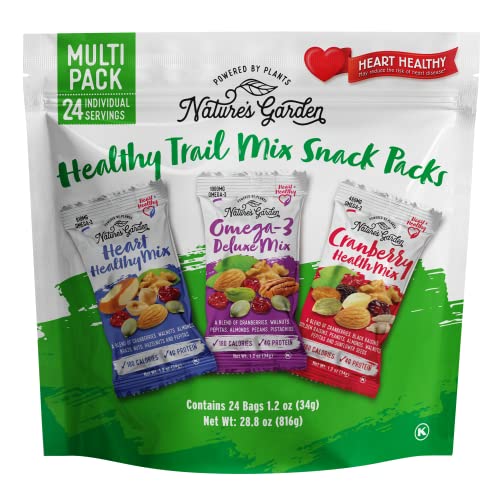


Understanding Nutrition Facts
Nutrition facts provide vital information for making informed decisions. Start by checking the serving size, as it sets the framework for understanding protein, carbohydrates, fats, and sugars. Look for bars containing at least 10 grams of protein per serving to support muscle recovery and promote satiety. Monitor the total carbohydrate content; I favor bars with complex carbs for lasting energy. Pay attention to fiber content too, aiming for at least 3 grams per serving to aid digestion. Lastly, keep an eye on the calorie count; choose options that fit within your daily energy needs.
Identifying Misleading Claims
Identifying misleading claims helps avoid products that aren’t as healthy as they seem. Be wary of phrases like “low-fat” or “sugar-free,” which can mask high levels of added sugars or unhealthy ingredients. Check for the “all-natural” label, as it doesn’t always indicate a nutritious bar. Ingredients like “protein blend” can be vague; I prefer bars that specify the type of protein source. Always refer to the actual ingredient list; quality bars contain whole-food ingredients you can recognize, steering clear of processed additives. This method ensures I select bars that genuinely support my health journey while avoiding pitfalls in the marketplace.
Popular Brands and Options
Choosing the right protein bar doesn’t mean sacrificing flavor or budget. Numerous brands cater to tastes and dietary needs, allowing snack enthusiasts like me to find the perfect fit.
Best Overall Protein Bars
When considering the best overall protein bars, I often turn to brands that emphasize quality ingredients and flavor. RXBAR tops my list, primarily because it contains simple, whole-food ingredients, like egg whites, nuts, and dates. Each bar packs around 12 grams of protein and contains no added sugars. Quest Bars follow closely, offering about 20 grams of protein per serving, and they come in a variety of flavors. They utilize a unique blend of protein sources and include fiber, which aids in digestion and enhances satiety. Both brands combine taste with nutritional value, making them solid choices for meal replacements or post-workout recovery.
Budget-Friendly Choices
Even on a budget, healthy snacking remains a realistic goal. Nature Valley Crunchy Granola Bars offer a classic, tasty option with a decent protein content, hovering around 10 grams per serving. These bars utilize whole grains and provide a satisfying crunch without breaking the bank. Another great option is Kirkland Signature Protein Bars, which boast approximately 21 grams of protein per bar at a value price point. Both selections emphasize clean ingredients and affordability, allowing everyone to snack healthily without feeling guilty about spending too much.
Exploring these popular brands and options ensures I remain informed about quality protein bars, helping me advocate for healthier snacking choices that fit a variety of lifestyles and budgets.
Conclusion
Choosing the right protein bar can be a game-changer for your snacking routine. It’s all about finding that perfect match for your lifestyle and health goals. I’ve learned that taking the time to read labels and understand what’s in each bar really pays off.
Don’t hesitate to experiment with different brands and flavors until you find your favorites. Whether you’re after a quick post-workout boost or a healthy snack on the go, there’s a protein bar out there for you. Remember to focus on quality ingredients and balanced nutrition. Happy snacking!
