
When it comes to snacking, we often find ourselves torn between the crunch of chips and the earthy goodness of seed snacks. Both options have their loyal fans, but I can’t help but wonder: are seed snacks really the healthier choice? With so many flavors and varieties out there, it’s easy to get caught up in the excitement of trying something new.
Overview of Seed Snacks and Chips
Seed snacks offer a nutritious alternative to traditional chips, packing a punch with essential nutrients. They typically contain a mix of sunflower, pumpkin, chia, and hemp seeds, providing protein, healthy fats, and fiber. These elements contribute to sustained energy without the crash that often comes from snacking on chips.
Chips, on the other hand, usually consist of processed ingredients like potatoes or corn and often contain unhealthy fats and excessive salt. They lack the nutritional density found in seed snacks. While chips offer a satisfying crunch and taste, their health benefits pale in comparison to those of seed snacks.
When it comes to flavors, both seed snacks and chips have enticing options. Companies now produce a wide range of seed snacks, featuring flavors like buffalo, garlic, and spicy sriracha. Chips also present diverse flavors like barbecue and ranch, appealing to different tastes.
The nutritional pros of seed snacks include lower calorie counts, higher fiber, and increased vitamins and minerals. For instance, sunflower seeds deliver vitamin E, while pumpkin seeds provide magnesium. Chips, by contrast, often contain empty calories lacking significant health benefits.
Seed snacks create a fulfilling choice for health-conscious snackers. With their impressive nutrient profiles and variety of flavors, they stand out as a better option compared to conventional chips.
Nutritional Comparison
When comparing seed snacks and chips, the nutritional benefits of seed snacks often shine through. Both options offer unique flavors, but seed snacks lead in nutritional density.
Vitamins and Minerals
Seed snacks are rich in essential vitamins and minerals. Sunflower seeds, for example, provide vitamin E, an antioxidant that supports skin health and immune function. Pumpkin seeds, on the other hand, are packed with magnesium, crucial for bone health and muscle function. Chia seeds offer omega-3 fatty acids, important for heart health. In contrast, chips generally lack these vitamins and minerals, often relying on sodium-heavy flavoring instead of nutrient-rich ingredients.
Healthy Fats
Seed snacks boast healthy fats, particularly from sunflower and pumpkin seeds. These fats are unsaturated fats that support heart health and provide lasting energy. For instance, a serving of sunflower seeds delivers about 14 grams of fat, primarily coming from healthy sources. Chips, however, often contain trans fats or saturated fats, linked to various health risks, including heart disease. Choosing seed snacks means opting for a source of healthy fats that can contribute positively to overall wellness instead of unhealthy alternatives.
Taste and Texture
Taste and texture play pivotal roles in how I enjoy healthy snacking. Seed snacks deliver both satisfying crunch and delightful flavors that keep me coming back for more.


Flavor Profiles
Seed snacks boast diverse flavor profiles that cater to a wide range of tastes. Available flavors like spicy sriracha, zesty lime, and cheesy nutritional yeast offer an exciting twist compared to traditional chip flavors like sour cream and onion or bland potato. The nutty essence of sunflower seeds or the earthy notes of pumpkin seeds complement these flavors perfectly, allowing me to indulge without guilt. Each handful reveals a new layer of taste that chips simply can’t match, making it a flavorful experience for health-conscious snackers.
Crunch Factor
Crunch factor adds an essential element to snacking, and seed snacks hit the mark. The firm texture of roasted seeds provides the satisfying crunch I crave, similar to the crunch of chips, but without the drawbacks. This crunch not only satisfies my urge for something crispy but also enhances my snacking experience. It’s a delightful reminder that healthy can also be enjoyable, offering a wholesome alternative without compromising on the satisfying mouthfeel of traditional snacks.
Popular Seed Snack Varieties
As a healthy snack enthusiast, I enjoy exploring different seed snacks that offer both nutrition and flavor. Among my favorites are pumpkin seeds and sunflower seeds, each packed with unique benefits and delicious tastes.
Pumpkin Seeds
Pumpkin seeds, also known as pepitas, are small but mighty. They’re rich in magnesium, iron, and zinc, which support various bodily functions, from immune health to muscle function. One ounce provides about 7 grams of protein, making them a great choice for a protein boost. I love enjoying them roasted with sea salt or spiced with cayenne for an extra kick. They also make a fantastic addition to granola, trail mixes, or just on their own as a crunchy snack.
Sunflower Seeds
Sunflower seeds are another favorite of mine. These seeds are a great source of vitamin E, an antioxidant that helps protect cells from damage and supports skin health. One ounce contains about 6 grams of protein and provides healthy fats that promote heart health. I often snack on them raw or lightly salted. For a twist, try them in salads or baked goods for added texture and flavor. Sunflower seed butter also makes a delicious, nut-free alternative to peanut butter in sandwiches or smoothies.

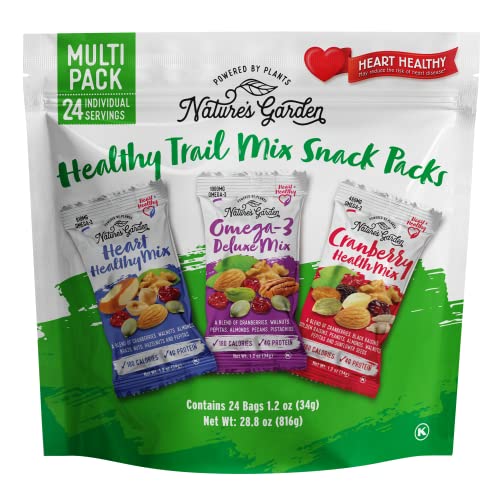


Health Benefits of Seed Snacks
Seed snacks offer numerous health benefits that elevate them above traditional chips in the snacking world. Packed with nutrients from sunflower, pumpkin, chia, and hemp seeds, these snacks deliver protein, healthy fats, and fiber, ensuring that I stay energized throughout the day. Unlike chips, which often have processed ingredients and unhealthy fats, seed snacks maintain a nutritional edge.
Nutritional Density
Seed snacks are lower in calories while being richer in essential vitamins and minerals. For example:
- Sunflower seeds provide vitamin E, an antioxidant that promotes skin health.
- Pumpkin seeds are known for their magnesium content, supporting muscle and nerve function.
Healthy Fats
Healthy unsaturated fats in seed snacks benefit heart health. Seeds like chia and hemp contain omega-3 fatty acids, which are crucial for reducing inflammation. In contrast, chips frequently contain unhealthy trans fats, which pose health risks.
Fiber Content
Seed snacks often contain more fiber than most chips. Increased fiber supports digestive health, keeps me feeling full, and helps regulate blood sugar levels, making them ideal for snacking without the crash.
Variety and Flavor
The flavor options of seed snacks add to their appeal. With exciting flavors like spicy sriracha, zesty lime, and cheesy nutritional yeast, these snacks provide unique taste experiences. The crunchy texture of roasted seeds satisfies cravings without sacrificing health.
In my journey to create healthy snacks, I discovered that seed snacks not only satisfy cravings but also nourish the body. Incorporating options like pumpkin and sunflower seeds into my snacking routine opens the door to endless possibilities for flavorful and healthy snacking.
Drawbacks of Seed Snacks
Seed snacks, while often healthier alternatives to chips, do have some drawbacks. First, the calorie content in certain seed snacks can be higher than expected. Some brands coat seeds in oils or flavors, adding calories quickly. For example, a serving of flavored pumpkin seeds could contain up to 200 calories, compared to 150 for a standard serving of plain chips.
Second, the sodium levels in some seed snacks warrant caution. Many seed snacks are salted for flavor, and excessive sodium can counteract health benefits. A single serving of roasted sunflower seeds might contain around 200 mg of sodium, which is significant if you’re watching your intake.
Third, texture can be an issue for some. The crunchiness of seed snacks may not appeal to everyone. Individuals seeking a lighter munch might find seed snacks too dense.
Fourth, the cost of seed snacks often exceeds that of traditional chips. High-quality seeds and preparation methods drive prices up. On average, a bag of seed snacks can cost 30-50% more than a similar-sized bag of chips.
Fifth, allergies and intolerances play a role. Seeds can present issues for those with allergies to sunflower, sesame, or pumpkin seeds. Always check the labels for potential allergens before snacking.
Lastly, the environmental impact may concern some. Growing and processing seeds for snacks can involve substantial resources. The impact varies by brand, but sustainability remains a topic of discussion in the healthy snack community.
Recognizing these drawbacks helps balance choices between seed snacks and chips, making informed decisions easier as health-conscious snackers.
Conclusion
Choosing between seed snacks and chips really comes down to what you want from your snack. If you’re after something that’s not just tasty but also packed with nutrients seed snacks are a fantastic option. They’ve got that satisfying crunch and a variety of flavors that keep things interesting.
Sure chips have their place in the snack world but they often fall short on the nutrition front. I love knowing that when I reach for seed snacks I’m fueling my body with healthy fats and essential vitamins. So next time you’re craving a snack consider giving those seed snacks a try. You might just find your new favorite munch!
