
When I think of snacks, pretzels often come to mind. Crunchy, salty, and oh-so-satisfying, they’re a go-to for many of us. But as I munch on these twisted treats, I can’t help but wonder: are pretzels actually a healthy choice? With so many snack options out there, it’s important to know what we’re putting into our bodies.
Understanding Pretzels
Pretzels hold a special place in the world of snacks, with their irresistible crunch and distinct saltiness. As I explore the various options available, it’s essential to dive deeper into the fascinating background and diverse types of pretzels.
History of Pretzels
Pretzels trace their origins back to ancient times, with some historians suggesting their creation around 600 AD in Europe. The original pretzel shape symbolized arms crossed in prayer, making them a staple in both religious and celebratory events. Over centuries, pretzels evolved, gaining popularity in Germany. In the early 19th century, German immigrants brought pretzels to the United States, where they transformed into a beloved snack across the nation.
Types of Pretzels
Pretzels come in several styles, catering to various preferences and dietary needs. Here are some common types:
- Soft Pretzels: Soft pretzels are chewy and often enjoyed warm, typically served with mustard or cheese dip.
- Hard Pretzels: Hard pretzels are crunchy and can serve as a shelf-stable snack option. They come in various shapes and sizes, from traditional twists to pretzel chips.
- Whole Grain Pretzels: Whole grain pretzels use whole wheat flour, offering more fiber and nutrients than their refined counterparts.
- Gluten-Free Pretzels: Gluten-free pretzels cater to those with gluten sensitivities or celiac disease, typically made with alternative flours like rice or almond.
- Flavored Pretzels: Flavored pretzels come in numerous varieties, such as cheese, garlic, or ranch, providing exciting taste experiences.
Pretzels present diverse options for different snacking preferences, and I’m excited to share insights about their nutritional aspects in the following sections.
Nutritional Profile of Pretzels
Pretzels offer intriguing nutritional elements, making them a popular snack choice. Understanding their nutritional profile is essential for those passionate about healthy eating.
Whole Grain vs. Refined Grain
Whole grain pretzels contain all parts of the grain, including the bran, germ, and endosperm. They provide more fiber, vitamins, and minerals than their refined grain counterparts. Refined grain pretzels, stripped of nutrients during processing, often lack dietary fiber. Opting for whole grain varieties can enhance satiety and support digestive health, so choosing whole grain whenever possible makes a significant difference.
Key Nutrients in Pretzels
Pretzels, while primarily a source of carbohydrates, contain various key nutrients:
- Carbohydrates: Pretzels offer a quick energy source, particularly beneficial for active individuals.
- Fiber: Whole grain pretzels provide dietary fiber, which aids digestion and promotes a feeling of fullness.
- Protein: Although not a high protein snack, they do contribute small amounts, especially in whole grain forms.
- Iron: Pretzels contain iron, essential for transporting oxygen in the blood.
- Sodium: Many pretzels have added salt, impacting sodium intake, so moderation is key.
Incorporating whole grain pretzels into your snacking routine can support a balanced diet while satisfying your cravings for crunchy treats.
Health Benefits of Whole Grain Pretzels
Whole grain pretzels offer an enjoyable way to indulge while nourishing your body. These snacks bring an array of health benefits, making them a smart choice for those looking to maintain a balanced diet.


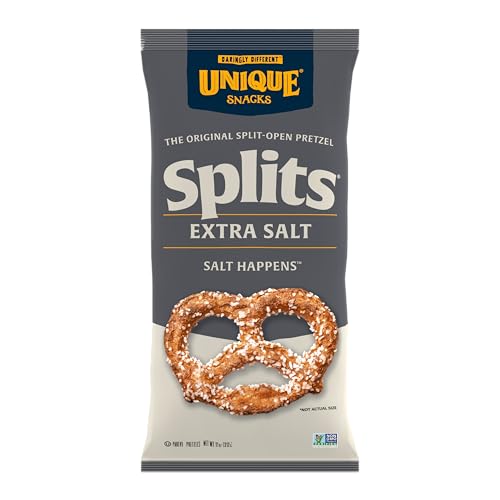

Fiber Content
Whole grain pretzels provide significant fiber, which helps keep your digestive system running smoothly. Fiber aids in digestion, promotes feelings of fullness, and can support healthy weight management. A serving of whole grain pretzels typically contains about 2-3 grams of fiber, depending on the brand and recipe. When I incorporate fiber-rich snacks, it helps curb my cravings and sustains my energy throughout the day.
Heart Health
Whole grain pretzels contribute positively to heart health. They contain nutrients such as niacin, magnesium, and antioxidants, which support a healthy heart. These nutrients play a role in maintaining healthy blood pressure and cholesterol levels. When I snack on whole grain pretzels, I feel confident I’m choosing a treat that aligns with my heart-healthy goals, providing both satisfaction and health benefits.
Potential Drawbacks of Pretzels
While pretzels can be a tasty snack, they do come with potential drawbacks that snack enthusiasts should consider.
High Sodium Levels
Pretzels often contain high levels of sodium, which can pose risks if consumed in excess. A typical serving of pretzels may have around 300 to 400 mg of sodium. Elevated sodium intake can lead to increased blood pressure and heart health issues over time. If you’re watching your sodium intake, it’s wise to choose low-sodium varieties or limit portion sizes.
Additives and Preservatives
Many commercially produced pretzels contain additives and preservatives that may not align with a healthy snacking philosophy. Ingredients like artificial flavors, colors, and preservatives could detract from the overall nutritional value of the snack. When selecting pretzels, I recommend looking for brands that use simple, recognizable ingredients, focusing on whole grains without unnecessary additives.


Conclusion
Pretzels can definitely be a tasty addition to my snack routine when I choose wisely. Whole grain options offer a great balance of flavor and nutrition while keeping me satisfied. I love knowing that I can enjoy a crunchy treat that supports my health goals.
Of course moderation is key. I need to be mindful of sodium levels and look for brands that prioritize simple ingredients. By making informed choices I can savor my pretzels guilt-free and enjoy the rich history behind this beloved snack.